Bank Reconciliation: Essential for Small Business
Bookkeeping, Bank Reconciliation
What Is a Bank Reconciliation and Why It Matters for Your Small Business
Understanding bank reconciliations is essential for keeping your business finances accurate, compliant, and stress-free. Whether you are just starting out or running a growing company, knowing how your bank balance connects to your books can protect your cash flow and your peace of mind.
What Is a Bank Reconciliation?
A bank reconciliation is the process of comparing your company’s internal financial records—usually from your bookkeeping software or general ledger—to the transactions and balances shown on your bank statement for the same period. The goal is to make sure both records match, or to clearly explain any differences between them.
In simple terms, it answers a crucial question: Does the cash you think you have in your books actually exist in your bank account? If the answer is no, the reconciliation process helps you find out why and fix it before it causes bigger problems for your business.
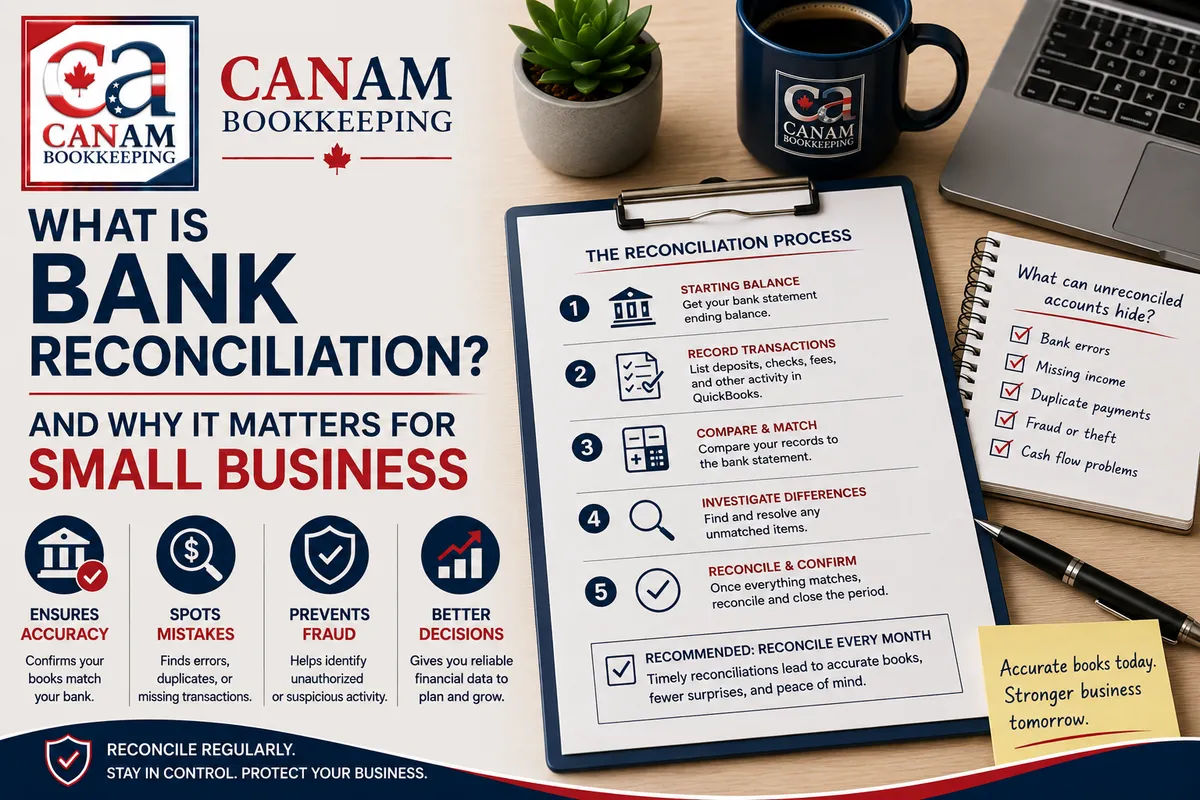
How the Bank Reconciliation Process Works
While every business is unique, most bank reconciliations follow a similar series of steps:
Start with your ending bank balance from the latest bank statement.
Compare each deposit and withdrawal in your books to the transactions listed on the statement.
Identify timing differences, such as outstanding checks or deposits in transit that have not yet cleared the bank.
Spot and correct any errors in your records or bank errors that need to be reported.
Adjust your book balance so it reconciles to the true, corrected bank balance.
Many small businesses perform bank reconciliations monthly, when statements are issued. For higher-volume or cash-sensitive businesses, weekly or even daily reconciliations can provide more control and visibility into cash flow.
Why Is Bank Reconciliation Important?
Bank reconciliations are far more than a bookkeeping formality. They are a core financial control that protects your business, supports better decisions, and reduces stress for owners and managers. Here are some of the most important reasons to make reconciliations a regular habit.
1. Ensures Accurate, Reliable Financial Records
Every decision you make—from hiring staff to investing in new equipment—depends on having accurate numbers. Bank reconciliations help confirm that your revenue, expenses, and cash balances are recorded correctly. When your books and bank agree, you can trust the reports you use to run your business and present to lenders, investors, or tax professionals.
2. Protects Against Fraud and Unauthorized Transactions
Regular reconciliations make it easier to spot suspicious activity, such as duplicate payments, unexpected withdrawals, or altered checks. By catching these issues quickly, you can work with your bank to resolve them before losses grow. For businesses with multiple employees handling money, reconciliations are a vital safeguard against internal fraud as well as external threats.

Consistent bank reconciliations help catch errors and irregularities before they become costly.
3. Improves Cash Flow Management and Planning
Knowing your real cash position—not just what your software says—helps you avoid bounced checks, late payments, and unnecessary overdraft fees. With reconciled accounts, you can plan upcoming payroll, supplier payments, tax obligations, and growth investments with confidence, instead of guessing and hoping there is enough in the bank.
4. Simplifies Tax Preparation and Compliance
Clean, reconciled books are a gift to your tax preparer and a shield for your business. When your income and expenses are supported by reconciled bank accounts, it is easier to file accurate returns, substantiate deductions, and respond to any questions from the IRS or state agencies. This reduces the risk of penalties, interest, or time-consuming audits.
5. Reduces Stress and Builds Confidence in Your Numbers
Many small business owners carry a quiet worry about whether their numbers are truly right. Consistent bank reconciliations replace that uncertainty with clarity. When you know your accounts are verified and up to date, you can focus on serving customers and growing your business instead of losing sleep over your books.
💡 Pro Tip: If reconciling your accounts feels overwhelming or time-consuming, consider outsourcing the process to a professional bookkeeping firm that specializes in small businesses. The time you save can often be reinvested into revenue-generating activities.
How CanAm Bookkeeping, LLC Can Help
At CanAm Bookkeeping, LLC, bank reconciliations are a core part of the virtual bookkeeping services we provide to small businesses across the United States. Drawing on big-business financial expertise, we carefully match every transaction, investigate discrepancies, and ensure your accounts are accurate and complete each month—so you always know where your cash stands.
Our team is committed to integrity, professionalism, and responsive service. We work alongside you virtually, using secure technology to keep your information protected while delivering clear, easy-to-understand reports. With reconciled bank accounts and organized books, you gain the financial clarity you need to make confident decisions and help your business thrive.
Take the Next Step Toward Financial Clarity
If you are unsure when your accounts were last reconciled, or if you are spending valuable hours trying to do it yourself, now is the perfect time to get support. Let CanAm Bookkeeping, LLC handle the details, so you can focus on running and growing your business with confidence.
Schedule a free consultation to get your books in order, understand your true cash position, and put professional bank reconciliation practices in place that support your long-term success.
