6 Signs You Need a Bookkeeper for Your Business
Small Business, Bookkeeping
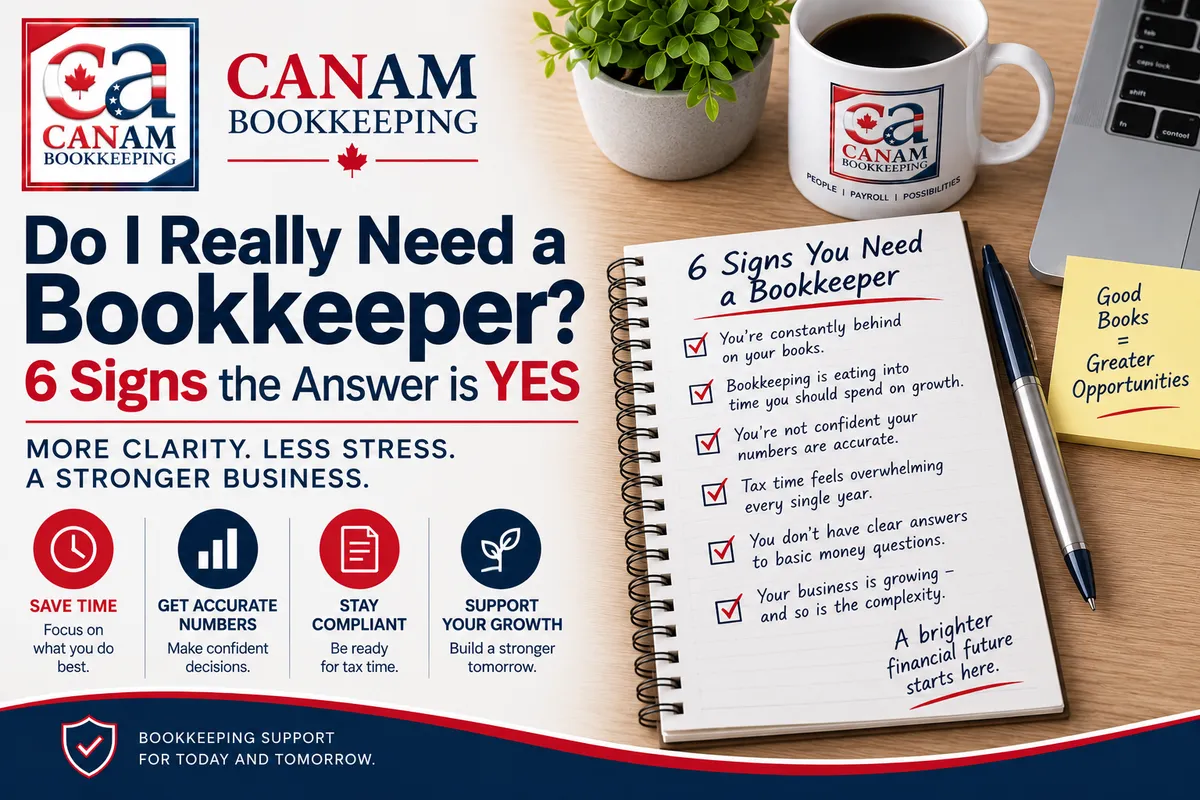
Do I Really Need a Bookkeeper? 6 Signs the Answer is YES
Wondering if it is time to bring in a bookkeeper, or if you can keep muddling through spreadsheets on your own? Here is how to tell when DIY bookkeeping stops saving you money and starts quietly costing you time, sleep, and profit.
Do I Really Need a Bookkeeper?
On paper, doing your own books looks simple: track income, track expenses, file taxes. In reality, as your business grows, those “simple” tasks turn into late nights, guesswork, and a nagging fear that you are missing something important. A professional bookkeeper does more than enter numbers. They create a clear, reliable picture of your finances so you can make decisions with confidence, stay compliant, and reclaim hours of your week. If you are unsure whether you are at that stage yet, watch for these six unmistakable signs that it is time to get help.
1. You Are Constantly Behind on Your Books
If your bookkeeping only happens in a panic before tax time, you already have your answer. When months go by without recording transactions, reconciling bank accounts, or reviewing reports, your numbers stop being useful. You are steering your business while looking in the rear-view mirror. A bookkeeper keeps your records current, so you always know where you stand today, not three months ago.
2. Bookkeeping Is Eating Into Time You Should Spend on Growth
Think about your hourly value when you are doing what you do best—serving clients, closing sales, creating products, or leading your team. Now compare that to the hours you spend wrestling with software, tracking receipts, or fixing mistakes. If your evenings and weekends disappear into bookkeeping tasks, you are paying a hidden cost. Outsourcing to a bookkeeper frees you to focus on revenue-generating work while they handle the financial details efficiently in the background.
3. You Are Not Confident Your Numbers Are Accurate
Do you ever look at your profit and loss statement and wonder if it is actually right? Maybe your bank balance does not match your records, or you are not sure where a transaction belongs. Inaccurate books can lead to overpaying tax, underpaying tax, or making decisions based on faulty data. A bookkeeper sets up consistent processes, categorizes correctly, and reconciles accounts regularly, so your numbers can be trusted—not just hoped for.
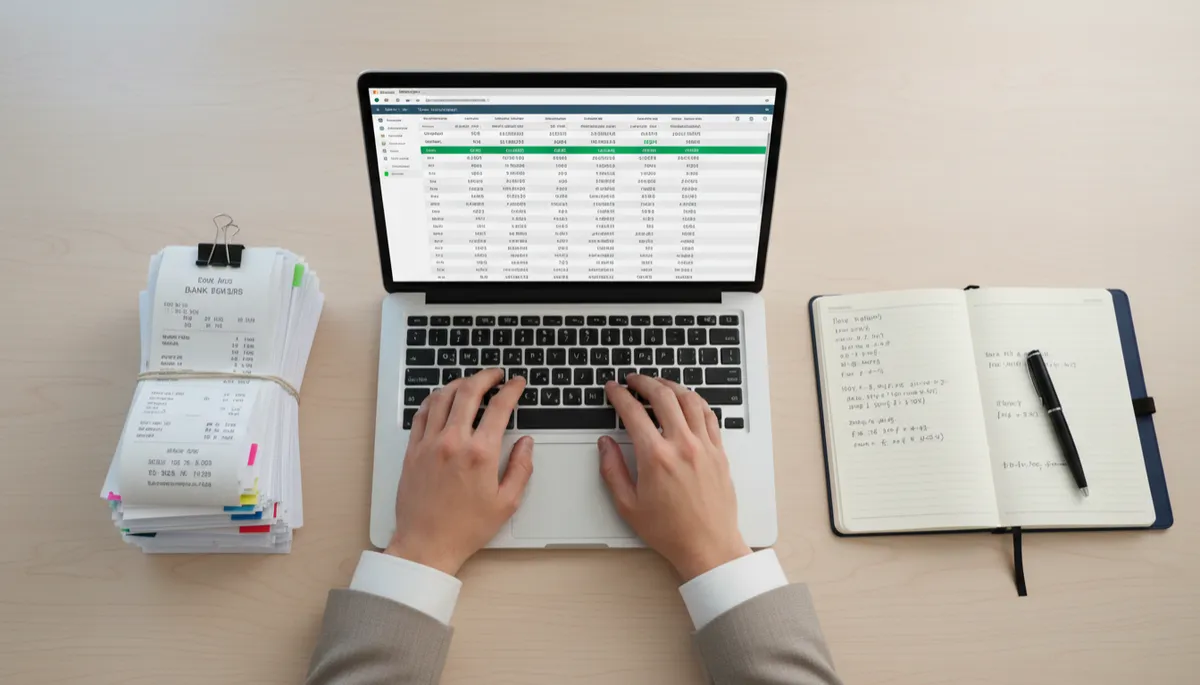
Accurate, reconciled books turn confusing bank activity into clear, reliable business insight.
4. Tax Time Feels Overwhelming Every Single Year
If tax season means digging through shoeboxes, scrolling endlessly through bank feeds, or begging your accountant for extra time, your bookkeeping system is not working. A bookkeeper prepares clean, organized records throughout the year, so when tax time arrives, you hand over tidy reports instead of chaos. This can reduce your accountant’s bill, minimize the risk of audits, and ensure you are capturing all the deductions you are entitled to.
5. You Do Not Have Clear Answers to Basic Money Questions
Questions like “Can I afford to hire?”, “Which services are most profitable?”, or “How much cash do I actually have to work with?” should not feel like guessing games. If you cannot pull up clear, current reports to answer them, your books are not giving you the guidance you need. A bookkeeper turns raw data into meaningful reports, helping you see trends, spot problems early, and make decisions based on facts instead of gut feelings alone.
6. Your Business Is Growing—and So Is the Complexity
Growth is exciting, but it also brings more invoices, more payment methods, more subscriptions, payroll, sales tax, and possibly multiple locations or revenue streams. What used to be manageable in a spreadsheet quickly becomes unmanageable. A bookkeeper scales your systems with your business, putting structure around invoicing, collections, expense tracking, and compliance so growth does not turn into confusion and cash-flow surprises.
When the Answer Is YES, What Happens Next?
If you recognize yourself in even two or three of these signs, it is time to explore working with a bookkeeper. That does not always mean hiring a full-time employee. Many small businesses start with a part-time or virtual bookkeeper who sets up proper systems, keeps the books current, and partners with your tax professional. The result is more clarity, fewer surprises, and the freedom to spend your energy where it matters most: building the business you started in the first place.
